The global trade landscape is a dynamic beast, constantly shifting with new tariffs and agreements. For Bangladeshi manufacturers eyeing international expansion, understanding these changes isn’t just an advantage – it’s a necessity.
Right now, a particularly exciting development is brewing: the upcoming Free Trade Agreement (FTA) negotiations between Bangladesh and Thailand. This isn’t just good news; it’s a potential blueprint for how Bangladeshi businesses can strategically expand their global footprint.
The Thailand Opportunity: A Strategic Gateway
Thailand, already a significant player in our region, is on the cusp of an even deeper trade relationship with Bangladesh. Here’s why this FTA is such a promising development:
- Strong Existing Trade Ties: Bangladesh currently holds the position of Thailand’s second-largest trading partner in South Asia.
- Substantial Bilateral Trade: In 2024, the total trade value between our nations reached USD 1.13 billion, with Thailand exporting USD 1.04 billion worth of goods to Bangladesh. This indicates a robust foundation for increased trade.
- Formal FTA Negotiations Imminent: Both the Thai Commerce Minister Pichai Naripthaphan and Bangladeshi Ambassador Faiyaz Murshid Kazi have confirmed that formal FTA negotiations are set to begin towards the end of this year, with a letter of intent already signed.
- Bangladesh’s Market Potential for Thailand: With a population of 170 million and a healthy annual economic growth of 6%, Bangladesh presents a significant and growing market for Thai goods.
For industries like bag manufacturing, an FTA could translate directly into reduced tariffs on raw material imports from Thailand (making production cheaper) and, crucially, enhanced market access for Bangladeshi-made bags in Thailand (opening up new export avenues).
Why Bangladesh is Poised for Global Success
Beyond specific FTAs, Bangladesh offers inherent competitive advantages that make it an attractive manufacturing hub for international markets:
- Competitive Labor Costs: Bangladesh remains a top choice for cost-effective manufacturing, driven by highly competitive labor costs. While the garment sector’s minimum wage is around $113 per month, this contributes significantly to cost-efficiency for manufacturers.
- Established Textile & Supply Chain: Our country boasts a mature and robust textile and apparel industry. This means an established ecosystem for sourcing, production, and logistics, offering a relatively self-sufficient supply chain for products like bags.
- Skilled Workforce: Millions are employed in our manufacturing sector, particularly women, who bring valuable skills and dedication to the production process.
- Growing Infrastructure: Continuous investment in infrastructure and technology is enhancing our manufacturing capabilities, allowing us to meet diverse international quality standards and production demands.
- Commitment to Ethical Practices: There’s a growing focus on improving ethical labor practices and supply chain transparency, which aligns with the increasing global demand for responsible sourcing.
Key Steps for Conquering New Markets
Leveraging opportunities like the Thailand FTA requires a strategic approach. Here are crucial steps Bangladeshi manufacturers should consider for successful international expansion:
- Deep Market Research & Consumer Understanding: Don’t just export; understand. For instance, Thailand’s Luggage & Bags market is projected to reach US$1.99 billion in 2025, with a significant 55% of sales attributable to Luxury. This means understanding consumer preferences for materials, designs, and branding is vital. Simply pushing existing products won’t suffice; tailor your offerings.
- Unwavering Quality Control & International Standards: Global markets demand consistent quality. Implementing stringent quality control measures at every stage and adhering to international standards (like ISO certifications) is non-negotiable. This builds trust and ensures your products meet global benchmarks.
- Optimized Supply Chain for New Territories: Expanding means re-evaluating your logistics. This includes efficient warehousing, streamlined distribution channels, and potentially diversifying suppliers to mitigate risks, ensuring timely and cost-effective delivery to your new market.
- Building Robust International Partnerships & Distribution: You can’t do it alone. Forge strong relationships with local distributors, agents, or retailers in your target market. They offer invaluable local insights, navigate regulatory complexities, and provide critical last-mile delivery.
- Leveraging FTAs and Trade Agreements: Understand the specifics of each agreement. FTAs significantly reduce trade barriers like tariffs and quotas, making your products more competitive and cost-effective in the destination market. This directly boosts your profitability and market penetration.
The Escape Bags Approach: A Case Study in Expansion
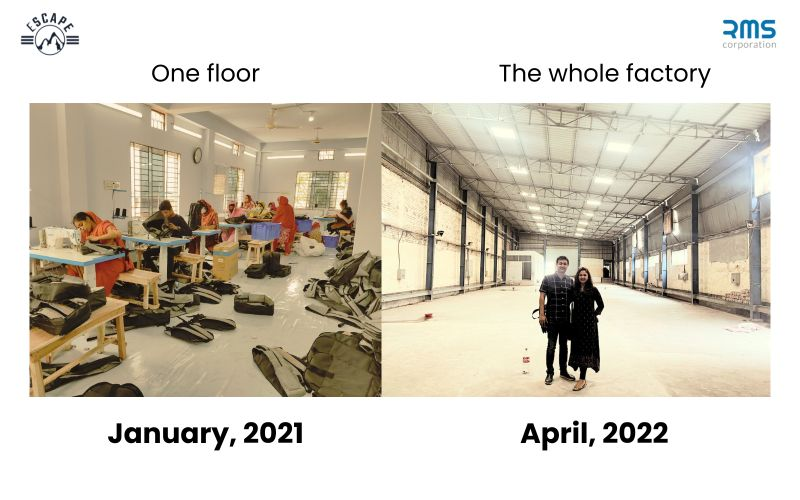
At Escape Bags, we’re putting these principles into action. As we eye the Thai market, we’re not just looking at the top-line numbers. We’re actively studying the 4.79% projected annual growth in Thailand’s bag market and, more importantly, the US$27.62 per capita revenue in 2025 to understand consumer behavior. We’re committed to upholding international quality standards in our bag manufacturing and are actively exploring partnerships for distribution channels that align with our brand values, aiming to tap into that significant segment. This strategic, data-driven approach, coupled with a keen eye on trade agreements like the upcoming FTA, is how we plan to build our global footprint.
A Call to Action for Bangladeshi Manufacturers
The global stage is open, and Bangladesh has immense potential to be a manufacturing powerhouse beyond our traditional exports. Trade agreements like the upcoming Bangladesh-Thailand FTA offer a powerful launchpad. Let’s seize these opportunities, invest in market understanding, uphold global quality, and strategically expand our reach. Together, we can elevate “Made in Bangladesh” to new international heights.
What steps are you taking to expand your manufacturing business globally? Share your insights and experiences below!